Publications
Forty-plus papers across HIV integration, mitochondrial genetics, congenital heart disease and reproducible computational research, with an h-index of 30. My name is in bold in each author list.
Citation counts from Google Scholar as of 2026-10-21.
2024
American Journal of Human Genetics2024
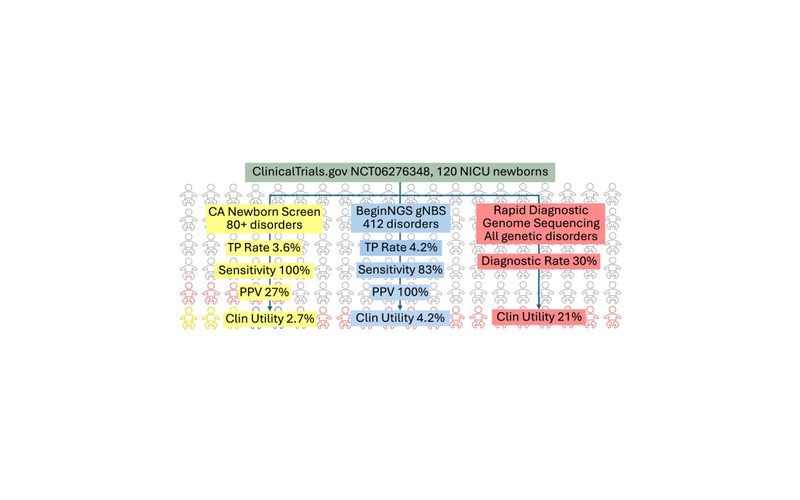
Genome-based newborn screening for severe childhood genetic diseases has high positive predictive value and sensitivity in a NICU pilot trial
Large prospective clinical trials are underway or planned that examine the clinical utility and cost effectiveness of genome-based newborn screening (gNBS).
American Journal of Human Genetics2024
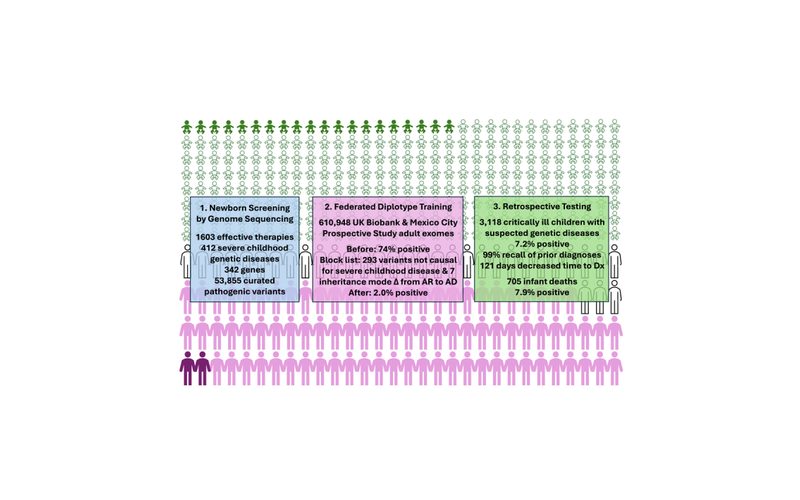
Prequalification of genome-based newborn screening for severe childhood genetic diseases through federated training based on purifying hyperselection
Genome-sequence-based newborn screening (gNBS) has substantial potential to improve outcomes in hundreds of severe childhood genetic disorders (SCGDs).
2022
Methods in Ecology and Evolution2022
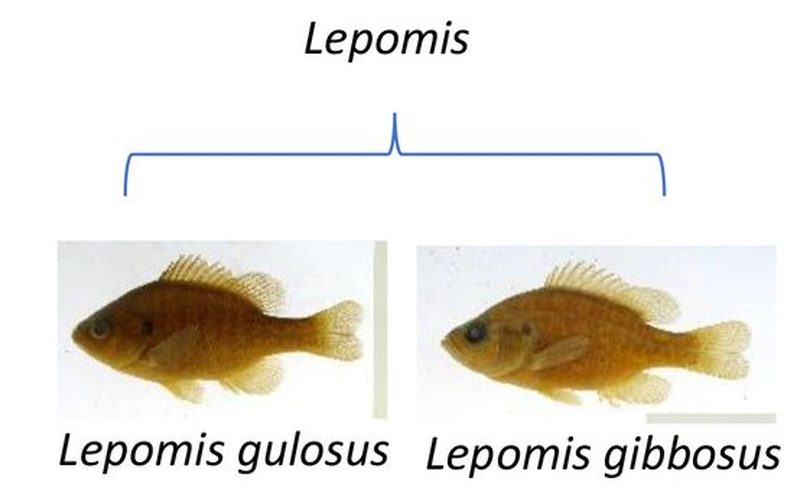
Hierarchy-guided neural network for species classification
This paper presents a hierarchy-guided neural network approach for species classification.
2021
Drexel University2021
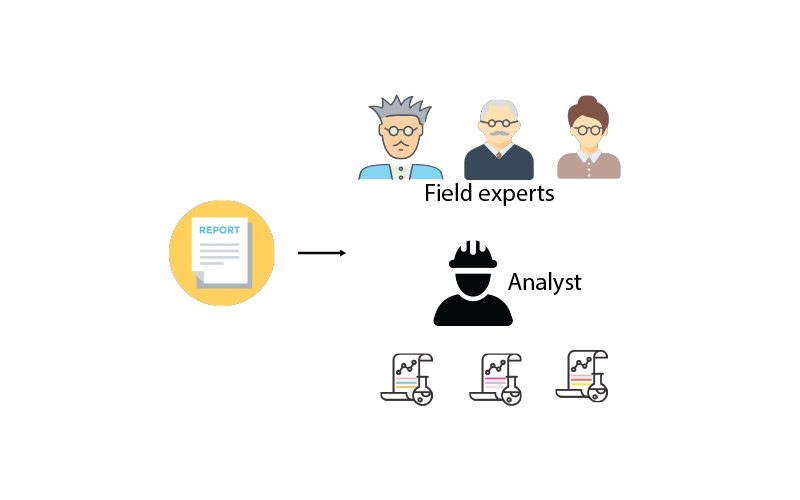
Tests of Robustness in Peer Review
This dissertation examines the robustness of peer review systems and their effectiveness in ensuring research quality.
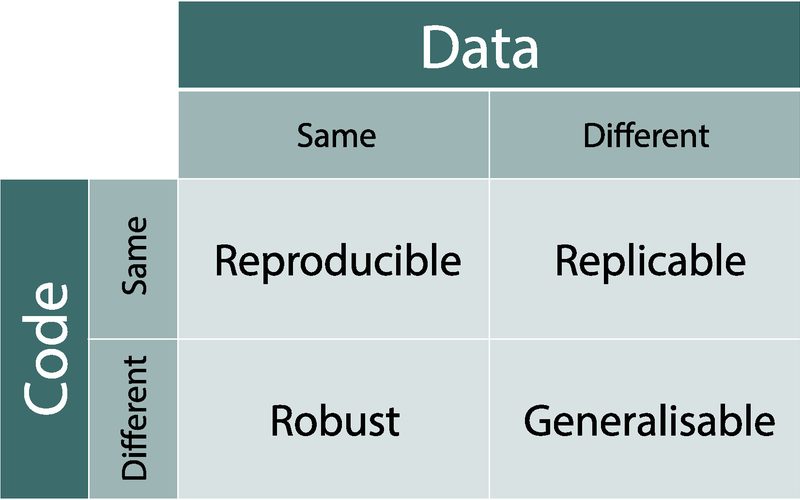
Patterns2021
The role of metadata in reproducible computational research
This paper discusses the critical role of metadata in ensuring reproducible computational research.
2020

Research Conference on Metadata and Semantics Research2020
Biodiversity Image Quality Metadata Augments Convolutional Neural Network Classification of Fish Species
Best Research Paper, MTSR 2020
This paper demonstrates how biodiversity image quality metadata can enhance CNN classification of fish species.
2019
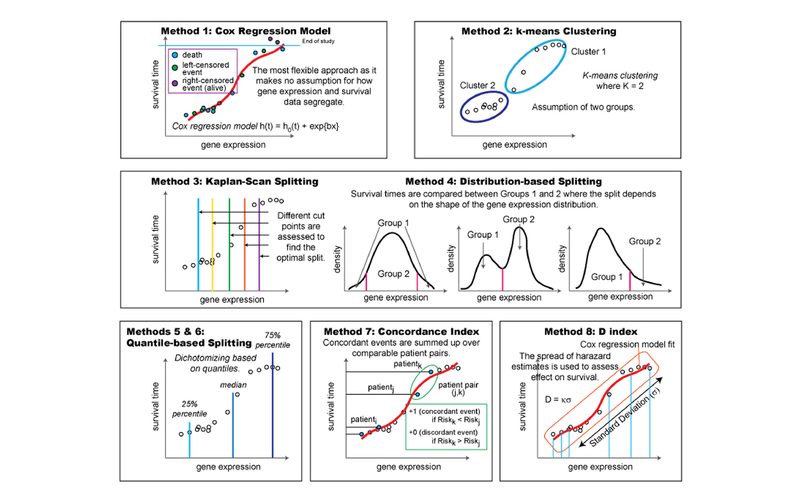
Cancer Genetics2019
A comparison of survival analysis methods for cancer gene expression RNA-Sequencing data
Identifying genetic biomarkers of patient survival remains a major goal of large-scale cancer profiling studies.
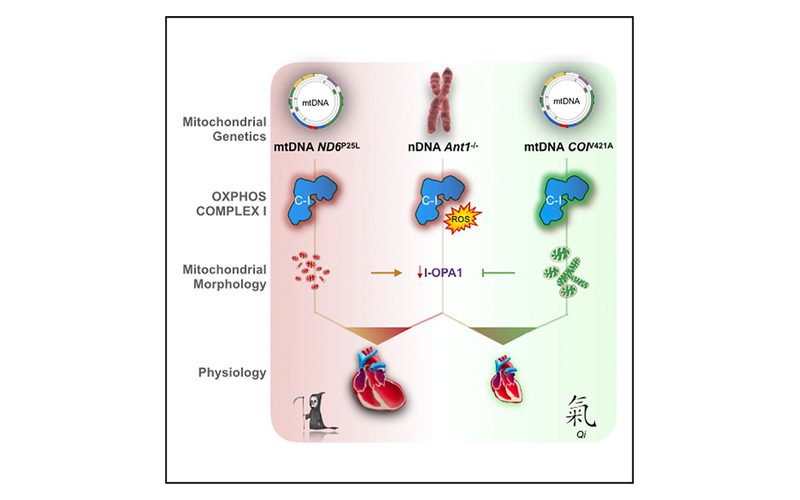
Cell Metabolism2019
Mitochondrial DNA Variation Dictates Expressivity and Progression of Nuclear DNA Mutations Causing Cardiomyopathy
Nuclear-encoded mutations causing metabolic and degenerative diseases have highly variable expressivity.
2018
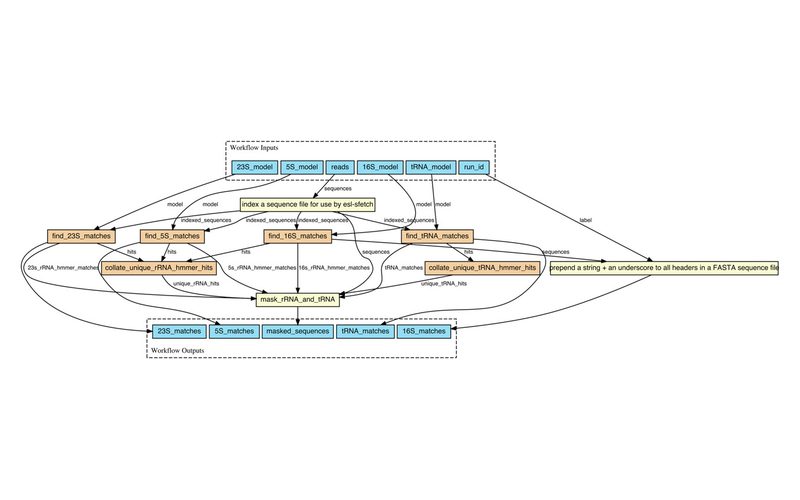
Reference Module in Life Sciences, Elsevier2018
Computational Pipelines and Workflows in Bioinformatics
This book chapter provides a comprehensive overview of computational pipelines and workflows in bioinformatics.
2017
Briefings in Bioinformatics2017
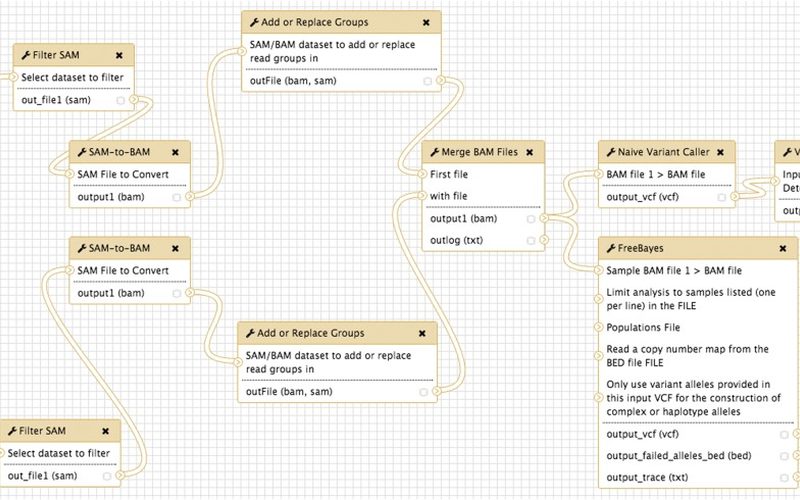
A review of bioinformatic pipeline frameworks
ISI Top 1% Highly Cited
This paper provides a comprehensive review of bioinformatic pipeline frameworks.
JAMA Psychiatry2017
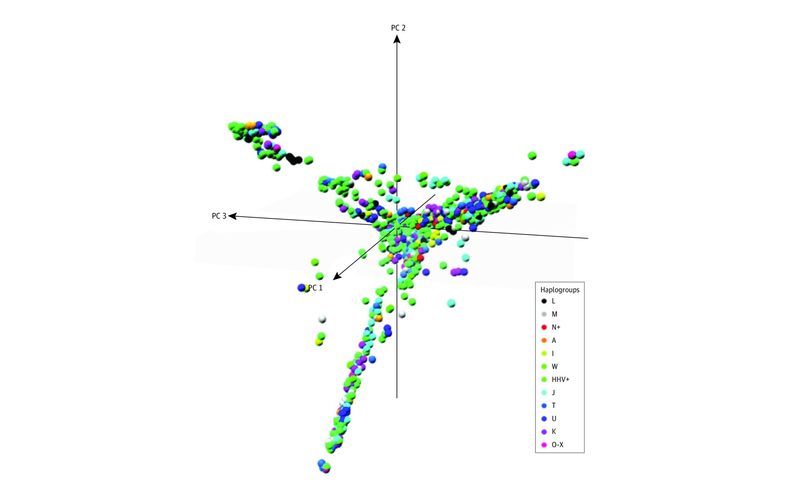
Association Between Mitochondrial DNA Haplogroup Variation and Autism Spectrum Disorders
Autism spectrum disorders (ASD) are characterized by impairments in social interaction, communication, and repetitive or restrictive behavior.
PNAS2017
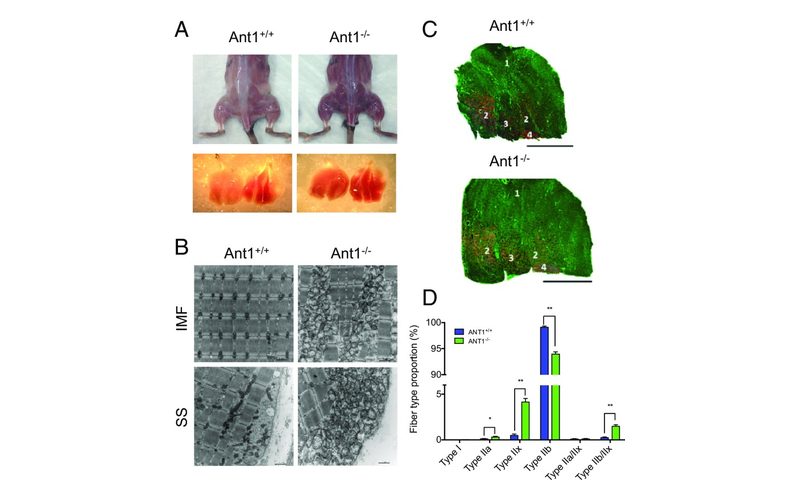
Mitochondrial energy deficiency leads to hyperproliferation of skeletal muscle mitochondria and enhanced insulin sensitivity
Diabetes is associated with impaired glucose metabolism in the presence of excess insulin.
PLoS Computational Biology2017
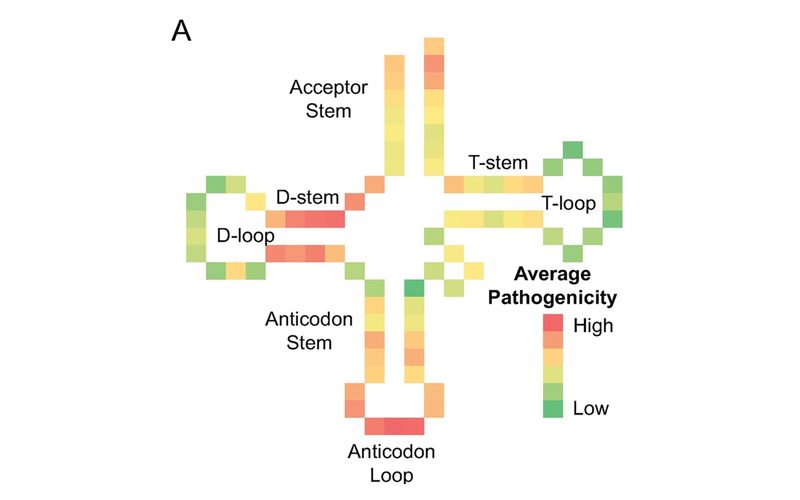
Predicting the pathogenicity of novel variants in mitochondrial tRNA with MitoTIP
This paper presents MitoTIP, a tool for predicting the pathogenicity of novel variants in mitochondrial tRNA.
2016
Human Mutation2016
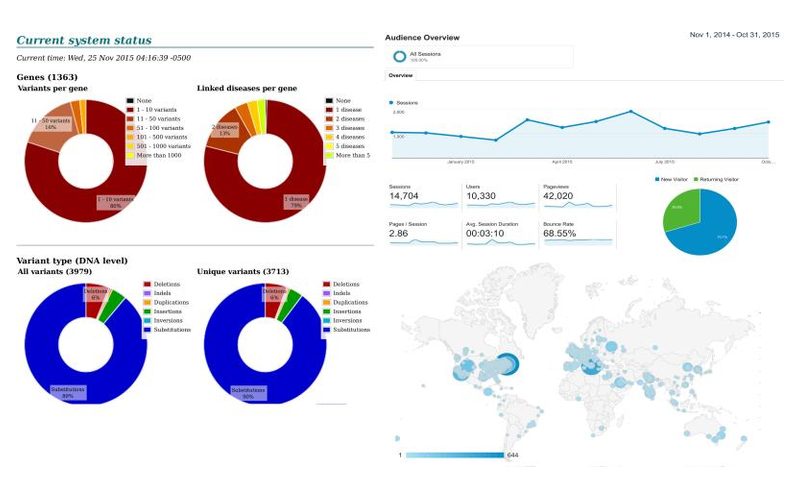
MSeqDR: A Centralized Knowledge Repository and Bioinformatics Web Resource to Facilitate Genomic Investigations in Mitochondrial Disease
MSeqDR is the Mitochondrial Disease Sequence Data Resource, a centralized and comprehensive genome and phenome bioinformatics resource built by the mitochondrial disease community to facilitate clinical diagnosis and research investigations of individual patient phenotypes, genomes, genes, and variants.
2015
PLoS One2015
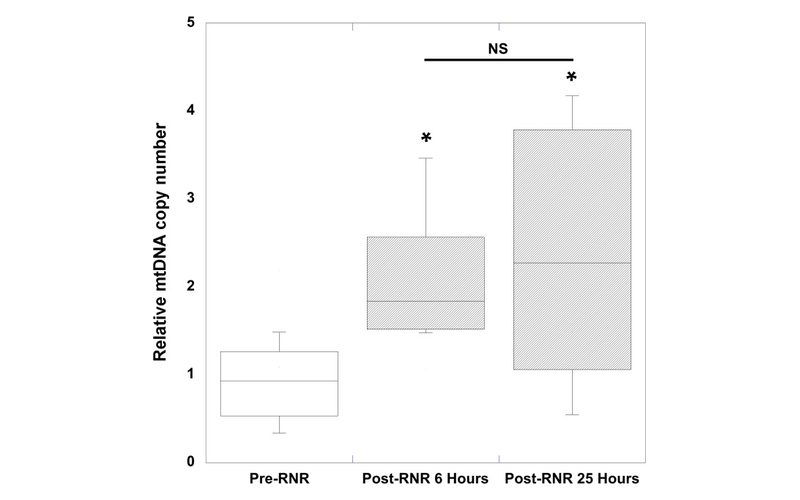
Peripheral Blood Mitochondrial DNA as a Biomarker of Cerebral Mitochondrial Dysfunction following Traumatic Brain Injury in a Porcine Model
Traumatic brain injury (TBI) has been shown to activate the peripheral innate immune system and systemic inflammatory response, possibly through the central release of damage associated molecular patterns (DAMPs).
Bioinformatics2015
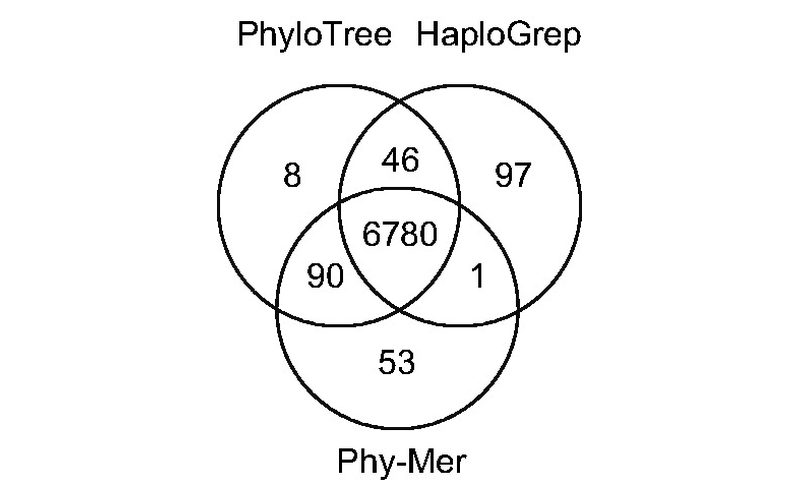
Phy-Mer: a novel alignment-free and reference-independent mitochondrial haplogroup classifier
Phy-Mer introduces a novel alignment-free and reference-independent approach for mitochondrial haplogroup classification.
Molecular Genetics and Metabolism2015
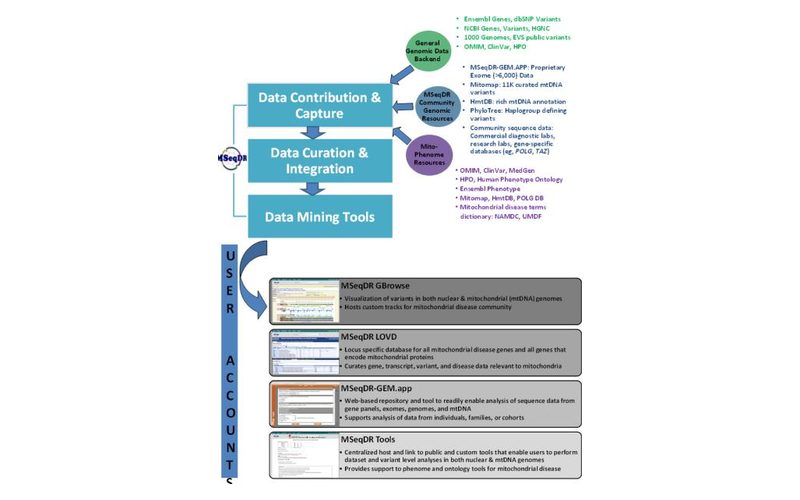
Mitochondrial Disease Sequence Data Resource (MSeqDR): a global grass-roots consortium to facilitate deposition, curation, annotation, and integrated analysis of genomic data for the mitochondrial disease clinical and research communities
This paper describes MSeqDR, a collaborative resource for sharing mitochondrial DNA sequencing data.
2014
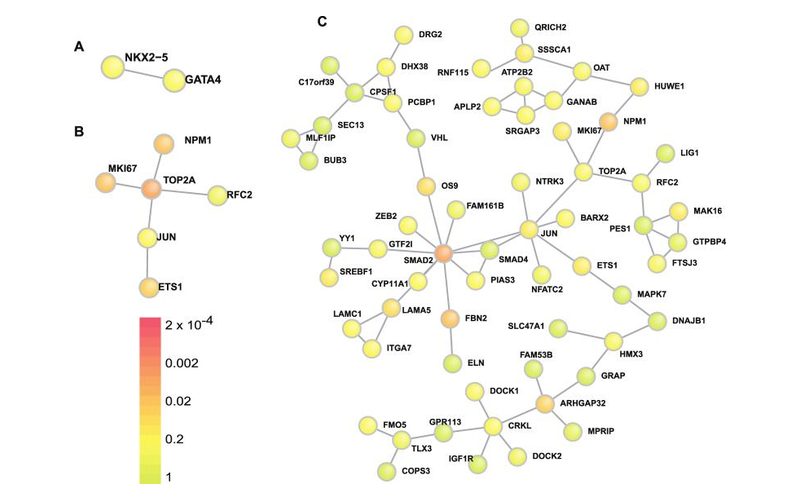
Circulation Research2014
Increased frequency of de novo copy number variants in congenital heart disease by integrative analysis of single nucleotide polymorphism array and exome sequence data
This study integrates SNP array and exome sequencing data to identify de novo copy number variants in congenital heart disease.
2013
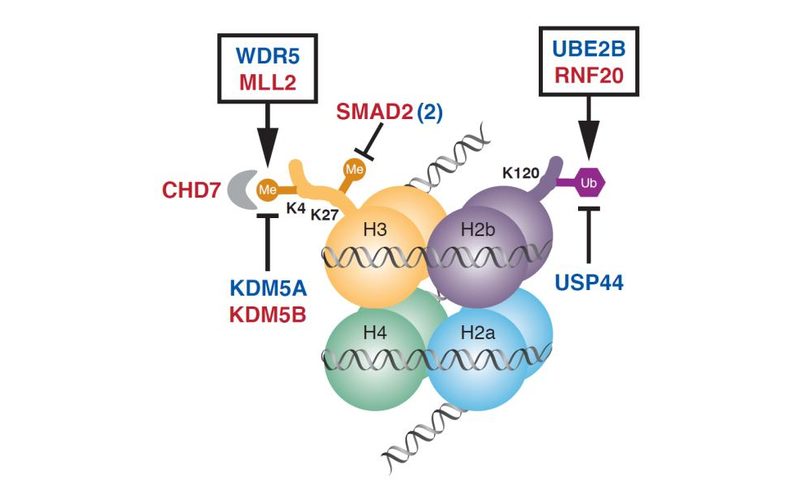
Nature2013
De novo mutations in histone-modifying genes in congenital heart disease
This study identifies de novo mutations in histone-modifying genes associated with congenital heart disease.
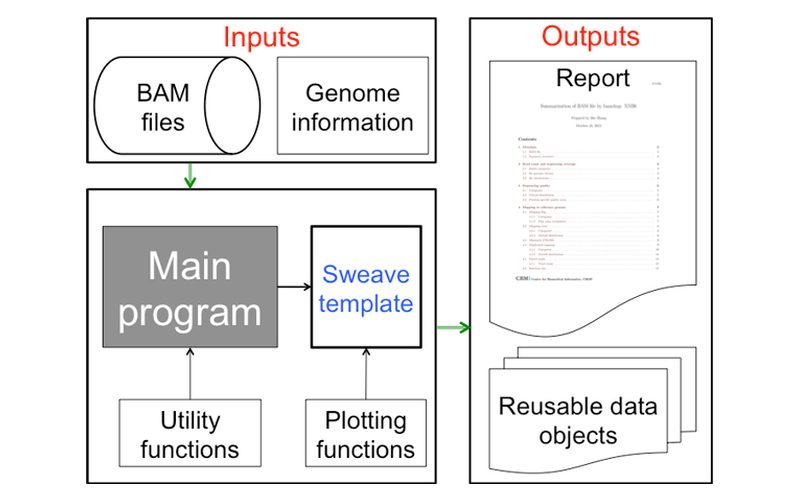
BMC Bioinformatics2013
Efficient digest of high-throughput sequencing data in a reproducible report
High-throughput sequencing (HTS) technologies are spearheading the accelerated development of biomedical research.
Current Protocols in Bioinformatics2013
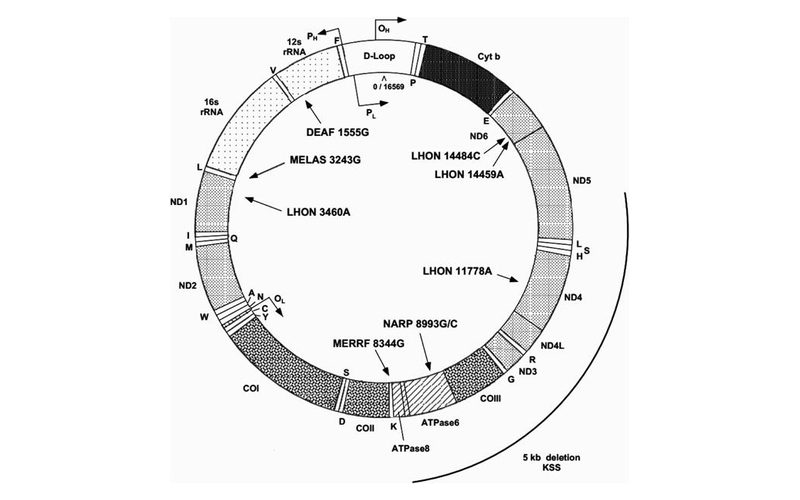
mtDNA Variation and Analysis Using Mitomap and Mitomaster
This paper describes protocols for using MITOMAP and MITOMASTER databases for mitochondrial DNA analysis.
2012
Gene Regulation and Systems Biology2012
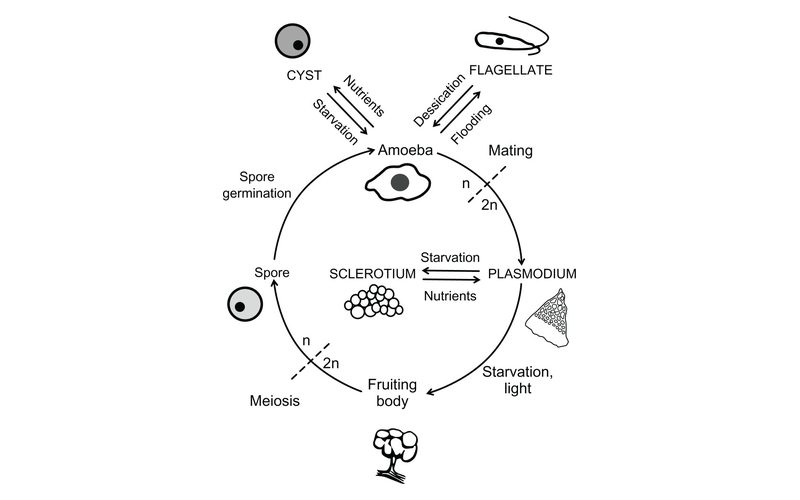
A next-generation sequencing approach to study the transcriptomic changes during the differentiation of physarum at the single-cell level
Physarum polycephalum is a unicellular eukaryote belonging to the amoebozoa group of organisms.
2011
Gene2011
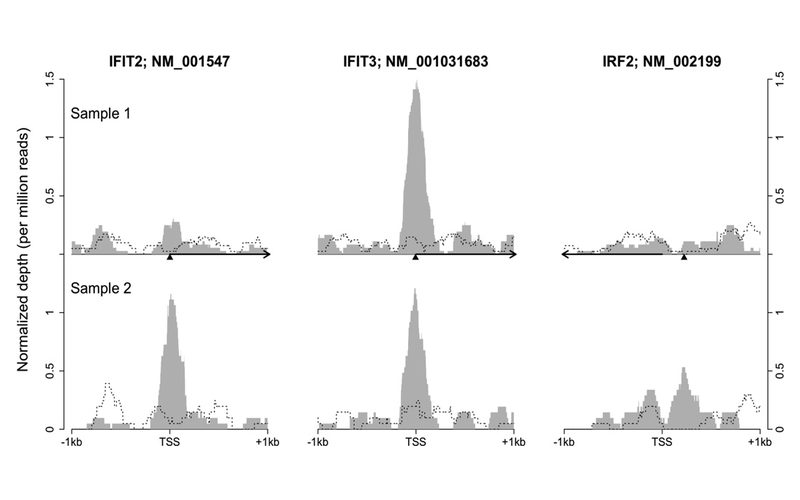
Genome-wide analysis of interferon regulatory factor I binding in primary human monocytes
IRF1 is a transcription factor that participates in interferon signaling.
2009

O'Reilly Media2009
Data Mashups in R
This book provides practical guidance for creating data mashups using the R statistical programming language.
2008
Nucleic Acids Research2008
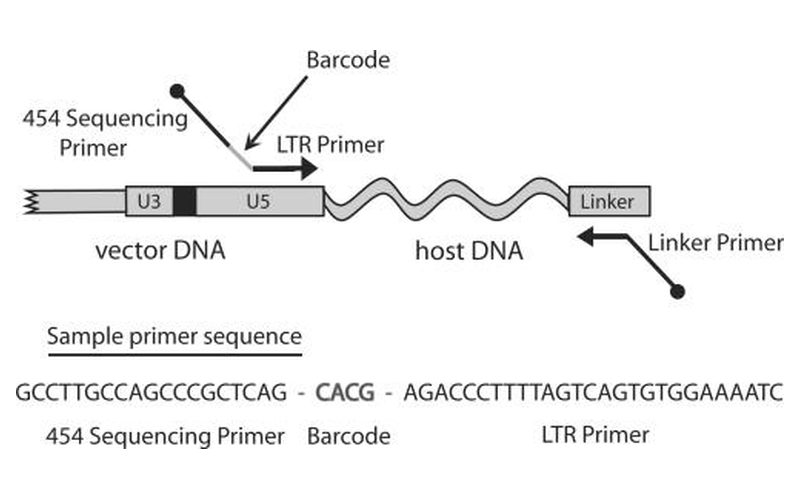
DNA bar coding and pyrosequencing to analyze adverse events in therapeutic gene transfer
Gene transfer has been used to correct inherited immunodeficiencies, but in several patients integration of therapeutic retroviral vectors activated proto-oncogenes and caused leukemia.
PLoS Pathogens2008
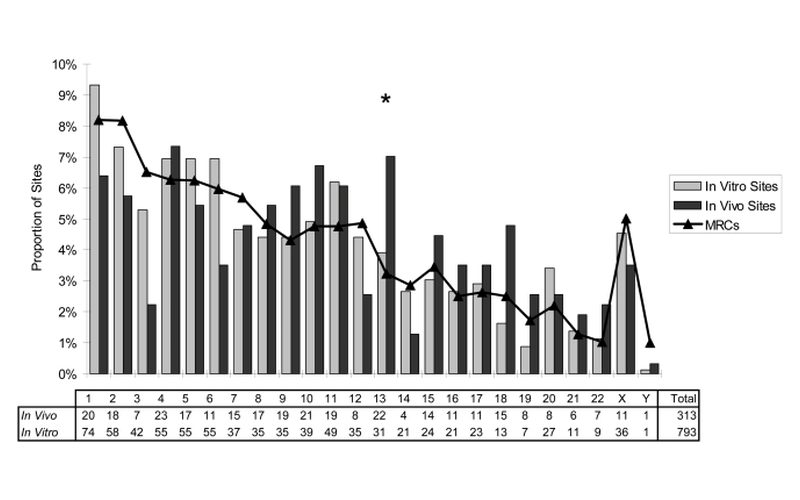
HTLV-1 integration into transcriptionally active genomic regions is associated with proviral expression and with HAM/TSP
Human T-lymphotropic virus type 1 (HTLV-1) causes leukaemia or chronic inflammatory disease in approximately 5% of infected hosts.
2007
Nucleic Acids Research2007
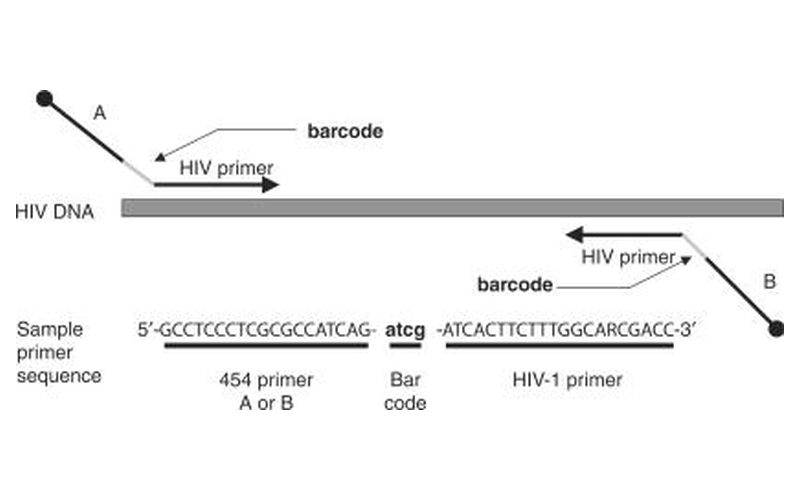
DNA bar coding and pyrosequencing to identify rare HIV drug resistance mutations
Treatment of HIV-infected individuals with antiretroviral agents selects for drug-resistant mutants, resulting in frequent treatment failures.
Genome Research2007
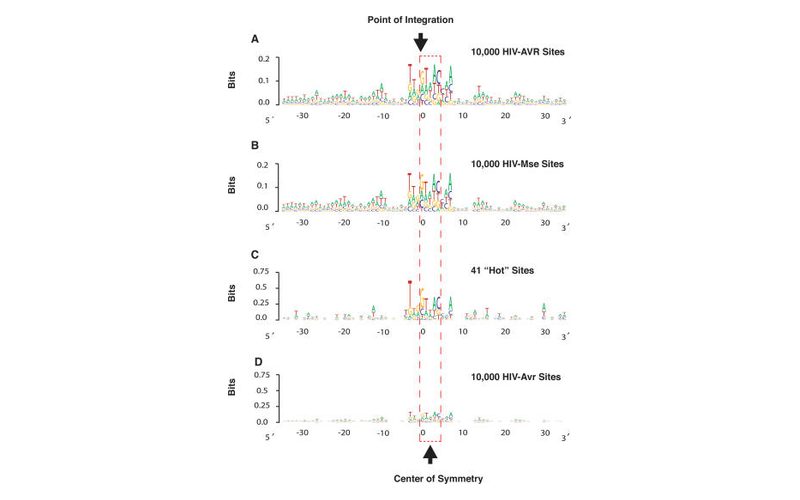
HIV integration site selection: analysis by massively parallel pyrosequencing reveals association with epigenetic modifications
This paper uses massively parallel pyrosequencing to analyze HIV integration site selection and its association with epigenetic modifications.
2006
Molecular Therapy2006
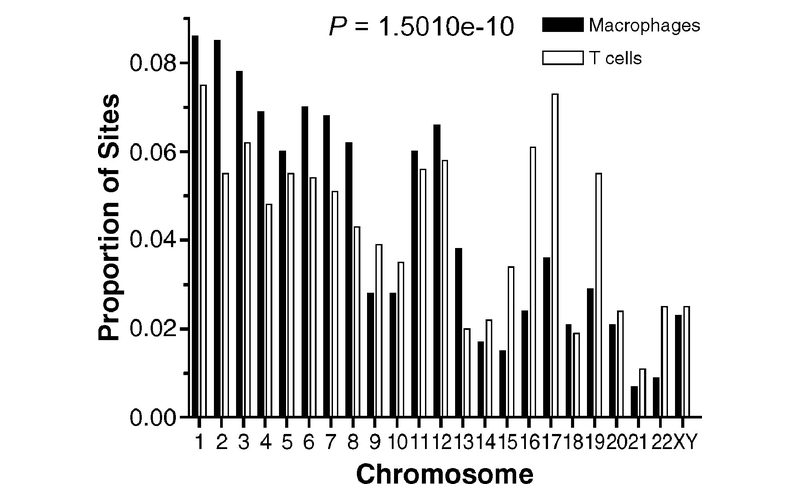
HIV integration site selection: targeting in macrophages and the effects of different routes of viral entry
We have studied the selection of HIV DNA integration sites in primary macrophages to investigate two questions.
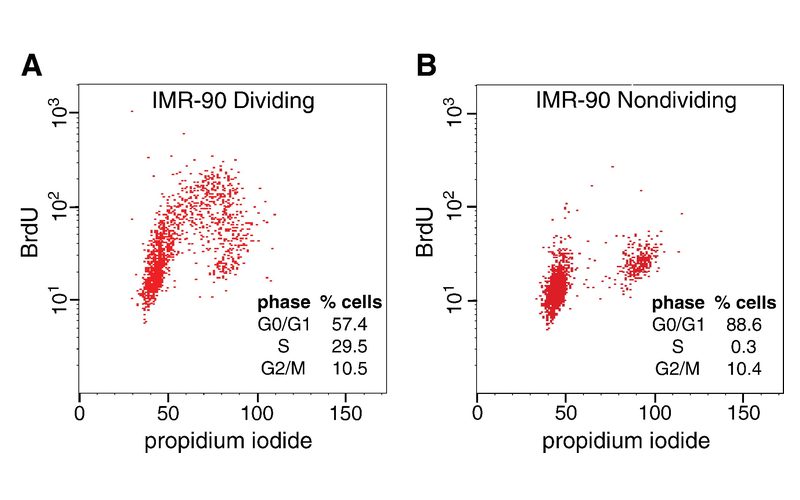
Molecular Therapy2006
Integration site selection by HIV-based vectors in dividing and growth-arrested IMR-90 lung fibroblasts
DNA integration is a defining step in the retroviral life cycle and the basis of stable gene transfer in retrovirus-based gene therapy.
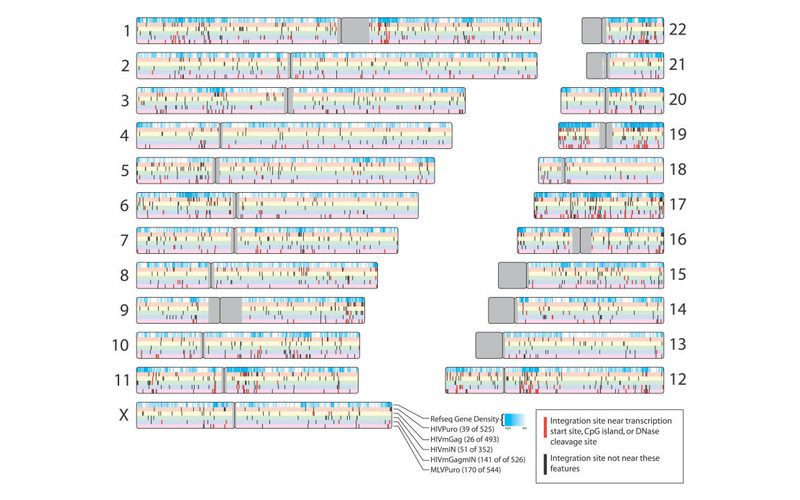
PLoS Pathogens2006
Retroviral DNA integration: viral and cellular determinants of target-site selection
This study analyzes genome-wide chromosomal features that repress HIV transcription.
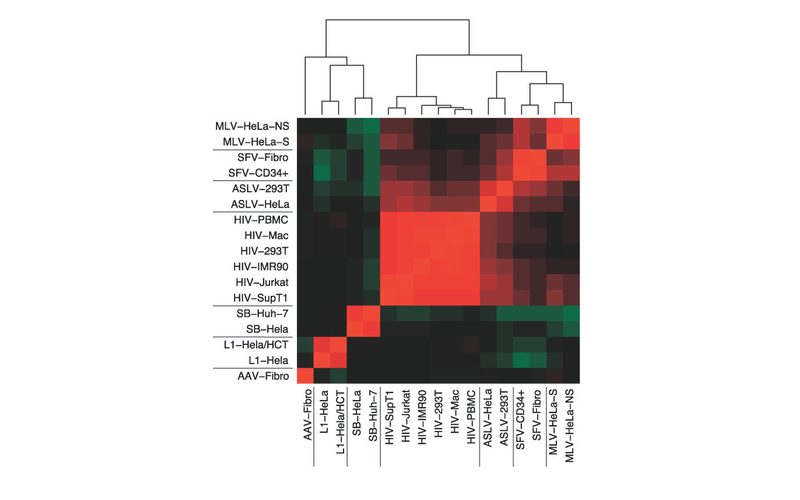
PLoS Computational Biology2006
Selection of target sites for mobile DNA integration in the human genome
This paper investigates the selection mechanisms for target sites of mobile DNA integration in the human genome.
2005
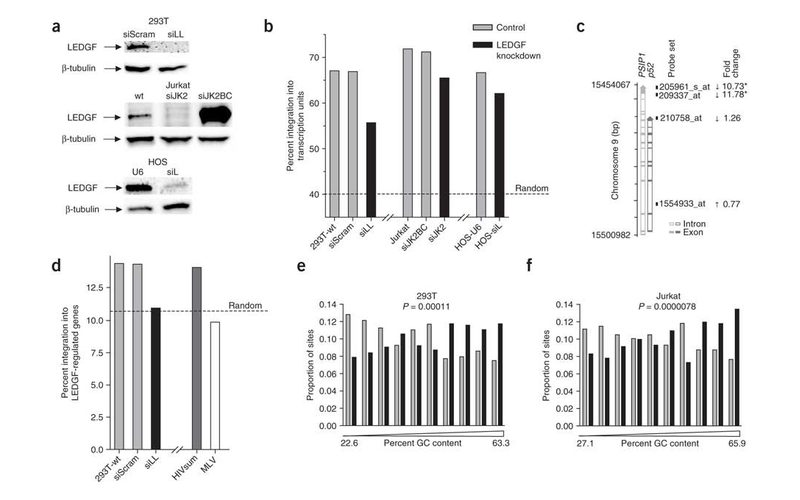
Nature Medicine2005
A role for LEDGF/p75 in targeting HIV DNA integration
This paper identifies the role of LEDGF/p75 in targeting HIV DNA integration.
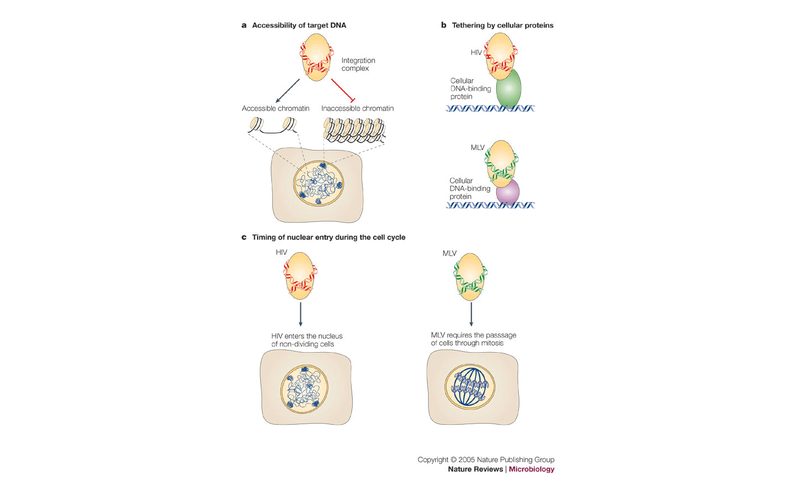
Nature Reviews Microbiology2005
Genome-wide analysis of retroviral DNA integration
Retroviral vectors are often used to introduce therapeutic sequences into patients' cells.
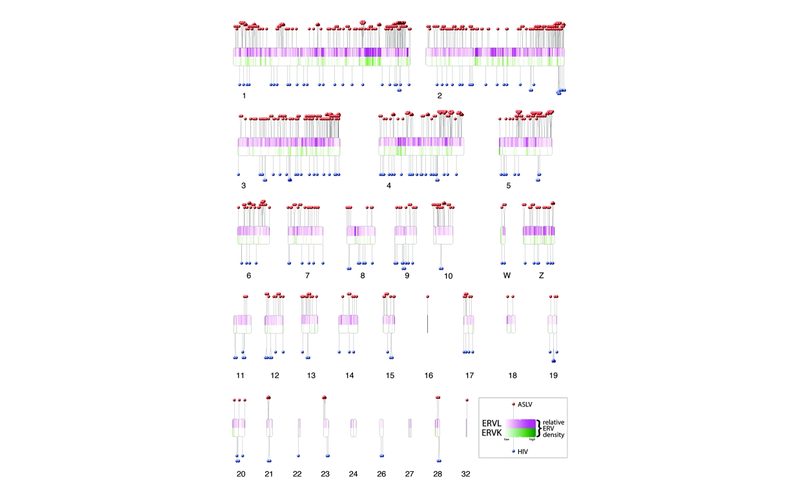
Journal of Virology2005
Integration targeting by avian sarcoma-leukosis virus and human immunodeficiency virus in the chicken genome
This study compares integration targeting by avian sarcoma-leukosis virus and HIV in the chicken genome.
2004
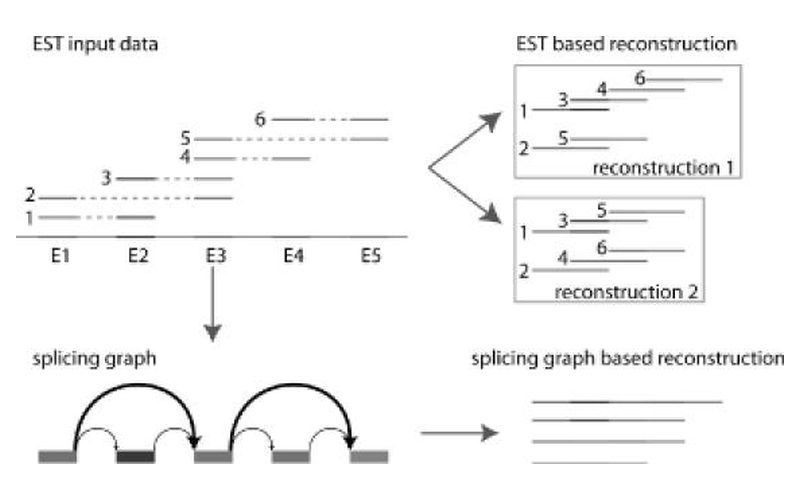
Nucleic Acids Research2004
The Alternative Splicing Gallery (ASG): bridging the gap between genome and transcriptome
The Alternative Splicing Gallery (ASG) provides a tool for bridging the gap between genome and transcriptome analysis.
2000
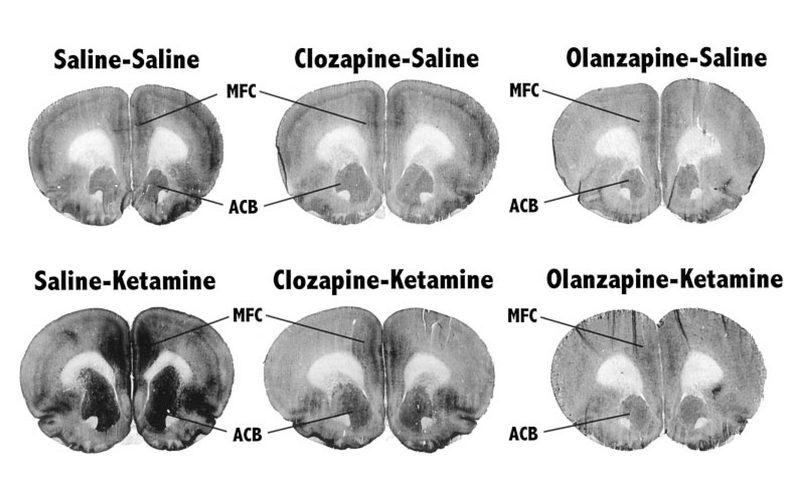
The Journal of Pharmacology and Experimental Therapeutics2000
Comparison of the effects of clozapine, risperidone, and olanzapine on ketamine-induced alterations in regional brain metabolism
The ability of subanesthetic doses of N-methyl-D-aspartate (NMDA) antagonists to induce positive, negative, and cognitive schizophrenia-like symptoms suggests that reduced NMDA receptor function may contribute to the pathophysiology of schizophrenia.
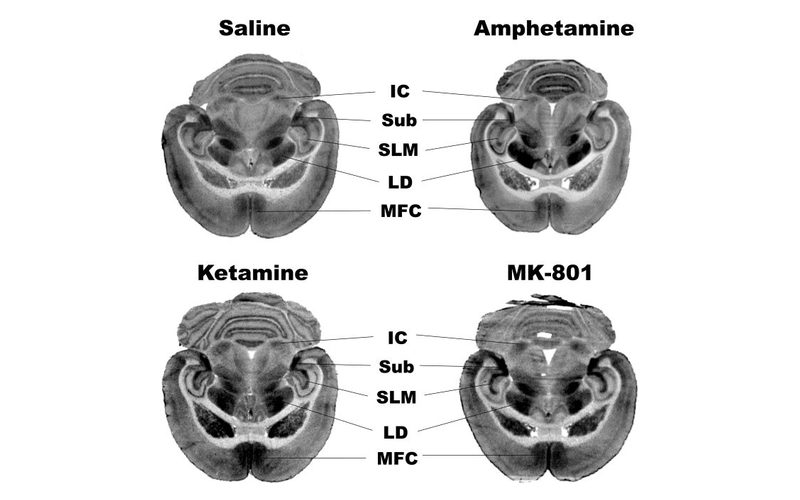
Neuropsychopharmacology2000
Effects of ketamine, MK-801, and amphetamine on regional brain 2-deoxyglucose uptake in freely moving mice
Although the pathophysiology of schizophrenia remains unclear, behavioral effects in humans induced by N-methyl-D-aspartate (NMDA) antagonists, such as ketamine, provide direction for formulating new pharmacologic models of the illness.
1999
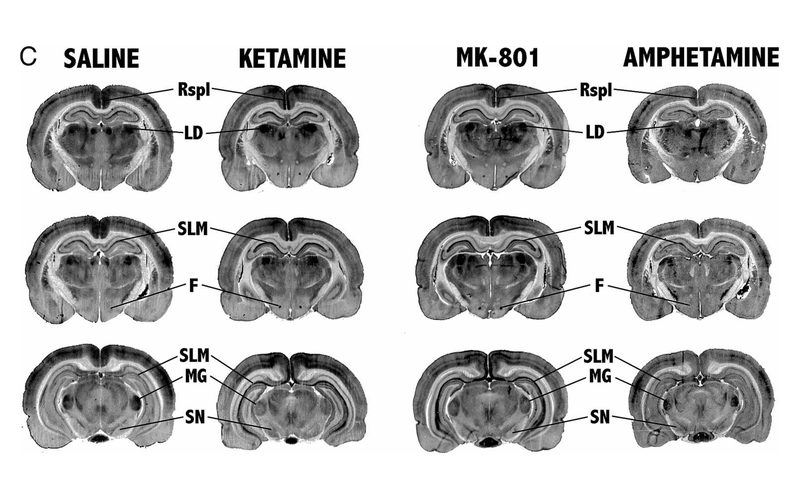
Brain Research1999
Comparison of brain metabolic activity patterns induced by ketamine, MK-801 and amphetamine in rats: support for NMDA receptor involvement in responses to subanesthetic dose of ketamine
Subanesthetic doses of NMDA receptor antagonists induce positive, negative and cognitive schizophrenia-like symptoms in healthy humans and precipitate psychotic reactions in stabilized schizophrenic patients.
1998
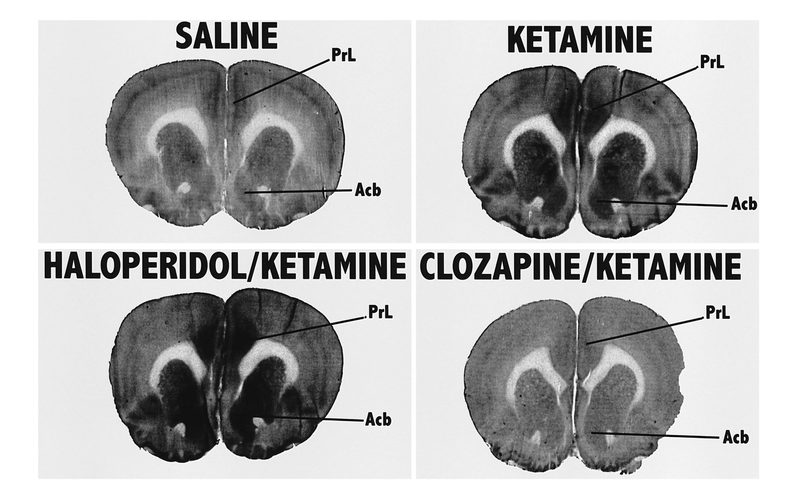
Brain Research1998
Differential effects of clozapine and haloperidol on ketamine-induced brain metabolic activation
This study compares differential effects of clozapine and haloperidol on ketamine-induced brain metabolic activation.